Private Wheelchair Transportation Cost in Maryland
Table of Contents
Last Updated: October 11, 2026
What Affects Wheelchair Transportation Cost
The cost of private wheelchair transportation in Maryland depends on distance, vehicle type, time of day, and service level. Understanding these factors helps you compare quotes and budget accurately. (Source: Federal Motor Carrier Safety Administration (FMCSA) regulations)
Distance is the primary cost driver. Most providers charge a base fare plus mileage; evening or weekend trips cost more than standard business hours.
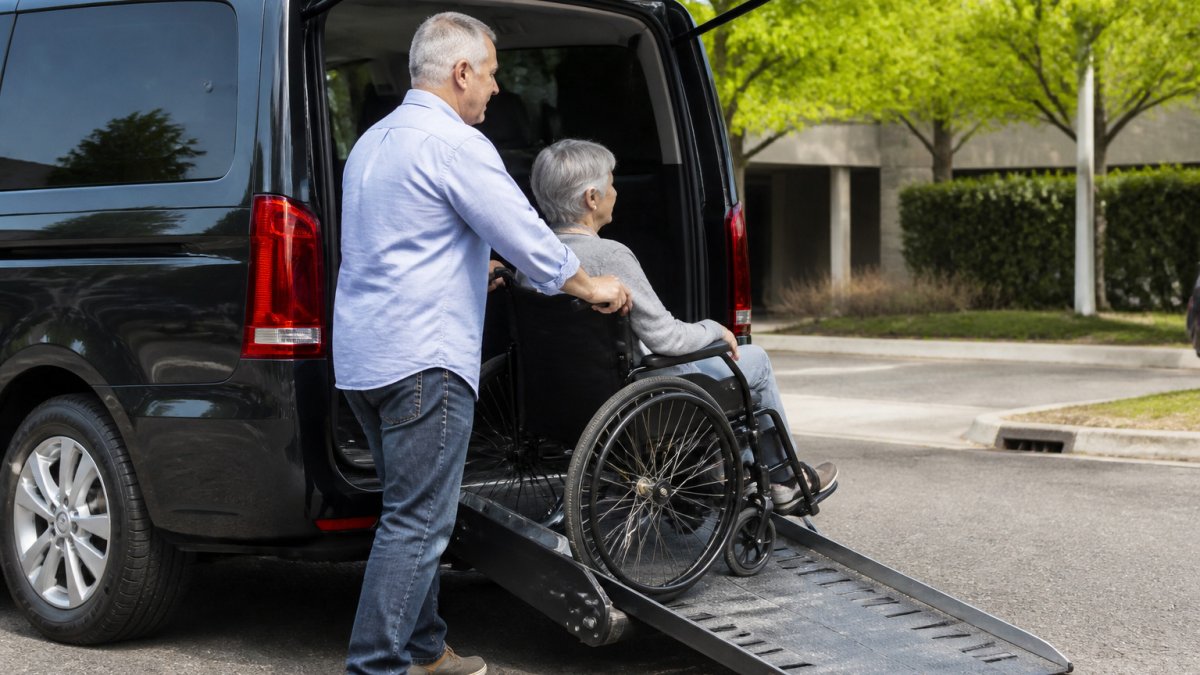
Vehicle type affects price significantly. A standard wheelchair van costs less than a stretcher transport vehicle with specialized equipment. Oversized wheelchairs or medical equipment like oxygen tanks incur additional fees.
Additional services increase costs: wait time, same-day booking premiums (15-25% surcharge), and cancellation fees. Regular appointments may qualify for package discounts.
At Transfer 4 U, we tailor quotes to your specific requirements, specialized equipment, assistance level, or out-of-state trips.
Wheelchair Van Transportation Rates Explained
Wheelchair van transportation rates combine base fares with distance charges, varying by provider, region, and trip specifics.
Base Fare and Mileage Structure
Most providers charge a base fare plus per-mile rates. Urban areas like Baltimore typically have lower base fares due to provider density; rural counties charge higher minimums.
Always request a written quote for your specific route.
Vehicle Type and Equipment Pricing
A wheelchair-accessible sedan may cost less than a full-size van. Stretcher transport vehicles with medical-grade equipment may command higher rates due to specialized capabilities and driver certification.
Oversized or powered wheelchairs may incur surcharges. Medical equipment accommodation may add fees depending on space and safety requirements.
Round-Trip and Wait-Time Pricing
Round-trip bookings often receive discounts and include standard wait time. Additional wait time may incur costs.
Same-day booking premiums may apply; booking ahead often avoids this surcharge.
Regional and Temporal Variations
Rural areas may charge higher per-mile rates due to fewer providers; urban centers often offer competitive pricing. Weekend and evening premiums may apply; holiday surcharges may also apply.
Minimum Trip Charges
Many providers enforce minimum trip charges for short-distance trips.
Getting a Transparent Quote
Request itemized quotes including base fare, mileage, vehicle surcharge, wait-time estimate, equipment fees, and cancellation policy. Comparing quotes often reveals differences for the same trip.
Non-Emergency Medical Transportation Cost Breakdown
Non-emergency medical transportation (NEMT) serves patients needing safe transport to routine appointments, doctor visits, dialysis, physical therapy, hospital follow-up care.
NEMT providers charge by the trip. Base fare covers initial dispatch and first few miles; per-mile charges apply. Some bundle multiple stops at reduced rates.
Wheelchair lifts and securing equipment add to NEMT costs. Powered chairs requiring electrical connections cost more than manual wheelchairs. Medical equipment accommodation may incur additional fees.
Many NEMT trips qualify for Medicaid or Medicare reimbursement, though coverage varies. Confirm your coverage before booking to prevent billing surprises.
Maryland Transportation Assistance for Medical Appointments
Maryland residents have multiple transportation options for medical appointments, each with different eligibility, costs, and trade-offs. Understanding when to use private-pay, Medicaid, public transit, paratransit, or nonprofit assistance helps you choose the most cost-effective and reliable option for your situation.
Medicaid Non-Emergency Medical Transportation (NEMT)
Medicaid covers non-emergency medical transportation for eligible beneficiaries traveling to covered medical services. To qualify, you must be enrolled in Maryland Medicaid and the trip must be to a Medicaid-covered service (doctor visits, dialysis, physical therapy, hospital appointments). Medicaid pays providers directly at state-set rates.
The trade-off: You must use a Medicaid-approved provider (not all private companies accept Medicaid), and you may have limited choice of appointment times since Medicaid-approved providers often have higher demand. Booking typically requires 24-48 hours' notice.
Medicare and Supplemental Insurance
Medicare Part A and Part B do not cover non-emergency medical transportation. However, some Medigap (supplemental) policies include transportation benefits, and some Medicare Advantage plans offer transportation as a supplemental benefit.
The trade-off: You must check your specific plan documents or call your plan's customer service to confirm coverage before booking. If your plan does cover transportation, you typically pay a copay rather than the full private-pay rate.
Public Transit and Paratransit
Public transit agencies offer fixed-route service at low cost, but require independent boarding and fixed schedules, not feasible for many wheelchair users.
ADA paratransit serves people unable to use fixed-route transit. After eligibility approval, paratransit costs a set fee per trip with door-to-door service and advance booking. (Source: Centers for Medicare & Medicaid Services (CMS) guidelines)
The trade-off: Paratransit is significantly cheaper than private-pay transportation but less flexible (you must book in advance, service may be limited to certain hours, and you share the vehicle with other passengers, which can extend trip time).
Nonprofit and Community Health Center Programs
Nonprofits, community health centers, and hospital discharge programs offer reduced-cost or free transportation. Ask your healthcare provider or social worker about available programs.
The trade-off: These programs are often limited to specific patient populations or geographic areas, may have waiting lists, and may not be available when you need them. However, when available, they are the lowest-cost option.
Area Agencies on Aging and Senior Services
Area agencies on aging coordinate transportation for seniors 60+. Services vary by county; contact your local agency to learn available options.
Private-Pay Transportation
Private-pay transportation offers flexibility on timing and vehicle choice when assistance programs don't apply. Private providers accommodate same-day bookings at a premium.
The trade-off: Higher cost, but maximum flexibility and reliability. Best for occasional trips, urgent transport, or when other options don't meet your needs.
Comparison Framework: Which Option Fits Your Situation?
Situation | Best Option | Why |
Medicaid-eligible, routine medical appointments, can plan 24-48 hours ahead | Medicaid NEMT | Free or low copay, reliable |
Medicare Advantage plan with transportation benefit, routine appointments | Medicare Advantage transportation | Low copay, no separate booking |
Cannot use fixed-route transit, routine appointments, can plan 24 hours ahead | ADA Paratransit | $3.50-$5 per trip, door-to-door |
Senior 60+, routine appointments, eligible for area agency services | Area Agency on Aging | Free or reduced cost |
Same-day or last-minute transport, or no other option available | Private-pay | Flexible, reliable, higher cost |
Recently discharged from hospital | Hospital discharge program | Often free, one-time use |
Routine appointments, no other coverage, cost-conscious | Combination: Paratransit + occasional private-pay | Paratransit for planned trips, private for urgent needs |
How to Verify Eligibility and Coverage
Before booking any transport, confirm your eligibility and coverage: Contact your Medicaid managed care plan or the Maryland Department of Health to verify NEMT coverage. Call your Medicare plan directly to ask about transportation benefits. Contact your local area agency on aging to learn about senior transportation programs.
Private-pay transportation remains a reliable backup when assistance programs don't apply or have waiting lists, ensuring you never miss a critical medical appointment due to lack of transport.
Long-Distance Wheelchair Transportation in Maryland
Long-distance wheelchair transportation (beyond 50 miles) requires full-day planning, experienced drivers, and comfortable vehicles. Out-of-state trips add complexity around licensing and insurance.
Long-distance pricing reflects fuel, driver time, and vehicle wear. Providers may charge hourly or use hybrid approaches combining base fare with hourly rates.
Vehicle selection impacts cost and comfort on long trips. Full-size vans with climate control suit extended journeys; stretcher vehicles suit patients requiring medical monitoring.
Book long-distance trips at least one week ahead. Planning ahead ensures availability and often qualifies you for better rates than emergency bookings.
Payment Options and Insurance Reimbursement
Understanding payment options and reimbursement eligibility removes financial uncertainty from transportation planning. Most private providers accept cash, credit cards, and bank transfers. Some offer payment plans for regular clients or package discounts for frequent trips. Direct billing to insurance or Medicaid simplifies the process when your coverage applies.
Medicaid covers medically necessary NEMT for eligible beneficiaries using approved providers. State-set reimbursement rates are typically lower than private pay. Providers can confirm coverage immediately.
Medicare Part B doesn't cover non-emergency medical transportation. Some supplemental and Medicare Advantage plans include this benefit. Contact your plan to confirm coverage.
Insurance billing requires coordination between you, your provider, and the insurance company. Some providers handle billing directly; others require you to pay upfront and submit receipts for reimbursement. Clarify the billing process when you book. Keeping itemized receipts with dates, mileage, and service descriptions supports reimbursement claims. Many people find that having a dedicated transportation provider simplifies billing since they understand local insurance requirements.
How to Get an Accurate Quote
Getting an accurate quote for private wheelchair transportation in Maryland requires providing specific trip details. Start by identifying the pickup location, destination, and preferred date and time. Include any special requirements: wheelchair type, medical equipment, assistance needs, or accessibility requirements at either location.

Call or message your provider with these details. A professional dispatcher will ask clarifying questions about your mobility level, vehicle preference, and whether you need wait time included. They'll confirm service availability in your area and provide a quote based on current rates. Most quotes are valid for a specific period, giving you time to confirm the booking.
Trip Detail | What to Provide | Why It Matters |
Pickup and drop-off addresses | Full street addresses | Determines distance and mileage charges |
Date and time | Specific date, preferred time window | Affects surge pricing and driver availability |
Wheelchair type | Manual or powered, dimensions | Determines vehicle needed and space required |
Medical equipment | Oxygen, dialysis supplies, mobility aids | May require specialized vehicle or extra time |
Assistance level | Independent to full mobility support | Affects staffing and service pricing |
Round trip or one-way | Specify if return transport needed | Round trips may qualify for package discounts |
Request written confirmation of the quote including all charges, vehicle type, and cancellation policy. Compare quotes from multiple providers before deciding, rates vary, and some may offer loyalty discounts for regular clients. Ask about package deals if you need regular transport, as frequent medical appointments may qualify for reduced per-trip rates.
Transfer 4 U provides transparent quotes for the cost of private wheelchair transportation in Maryland without hidden fees. We ask about your specific needs upfront so our quote reflects your actual situation. Contact us for a personalized quote tailored to your transportation requirements.
Medical transportation shouldn't add financial stress to your healthcare journey. The cost of private wheelchair transportation in Maryland varies based on distance, vehicle type, and your specific needs, but understanding these factors helps you budget accurately. Transfer 4 U specializes in personalized wheelchair transportation across Maryland with trained staff, accessible vehicles, and transparent pricing. Contact us today for an accurate quote and discover how we can provide safe, reliable transport to your medical appointments with the comfort and professionalism your health deserves.
Frequently Asked Questions
What factors affect the cost of private wheelchair transportation?
Several factors influence wheelchair transportation cost: trip distance, ride type (sedan, wheelchair van, stretcher transport), pickup and drop-off locations, time of day, day of week, and whether the trip is one-way or round-trip. Medical equipment requirements, specialized vehicle features, and wait times at appointments also affect pricing. Service area coverage and availability in your region may impact rates as well.
Is wheelchair transportation billed by the mile or by the trip?
Billing varies by provider. Some charge per mile, others use a base fare plus mileage, and some quote trip-specific pricing based on distance and complexity. One-way trips and round trips may have different pricing structures. To understand how your provider calculates costs, request an itemized quote that breaks down base fare, mileage charges, and any additional fees before booking.
How can I get transportation assistance in Maryland?
Maryland residents can explore several options: private-pay transportation providers, Medicaid-covered non-emergency medical transportation (if eligible), Medicare transportation benefits (if you qualify), and local community programs. Contact your insurance provider to determine your coverage and reimbursement eligibility. Private providers like Transfer 4 U offer direct booking for those seeking immediate, flexible transportation without relying on government programs.
Does private wheelchair transportation include help getting in and out of the vehicle?
Most private wheelchair transportation services include assisted rides with trained staff to help passengers transfer in and out of the vehicle. This support is especially important for individuals with limited mobility or those using specialized medical equipment. Confirm the level of assistance offered when requesting a quote, as some providers include this in their base service while others may charge separately for additional support.
What happens if I need to cancel or if my appointment runs longer than expected?
Cancellation policies vary by provider. Many have a 48-hour cancellation notice requirement to avoid fees, while others may allow shorter notice periods. If your medical appointment runs longer than scheduled, discuss wait time charges upfront. Ask your provider about their cancellation fee structure, grace periods for appointment delays, and whether they offer flexibility for medical situations that extend beyond the original timeframe.
Can wheelchair transportation providers accommodate medical equipment and service animals?
Specialized wheelchair transportation services are designed to accommodate medical equipment such as oxygen tanks, walkers, and specialized wheelchairs. Many providers also allow service animals to travel with passengers. When booking, inform your provider of all equipment and special needs so they can confirm their vehicle and staff can safely accommodate your requirements and ensure a comfortable journey.
Contact Us


Comments