Certified Medical Transport Driver Training: How to Get Certified
Table of Contents
NEMT Driver Training Requirements: What You Must Have Before You Apply
How to Become a NEMT Driver: Step-by-Step Certification Path
PASS Certified NEMT Driver Training and CPR/First Aid Certification
Course Duration, Delivery Format, Assessment, and Certificate Validity
Costs, Renewal, and Continuing Education for Certified Drivers
Last Updated: October 15, 2026
What Certified Medical Transport Driver Training Covers
Certified medical transport driver training teaches the skills needed to move patients safely in non-emergency medical transportation, or NEMT.
The job is more than driving. You are often the only person with the passenger between their door and their appointment.
A typical program blends classroom time with hands-on practice. Most courses group the material into four areas:
Passenger care: communication, sensitivity, and patient privacy under HIPAA
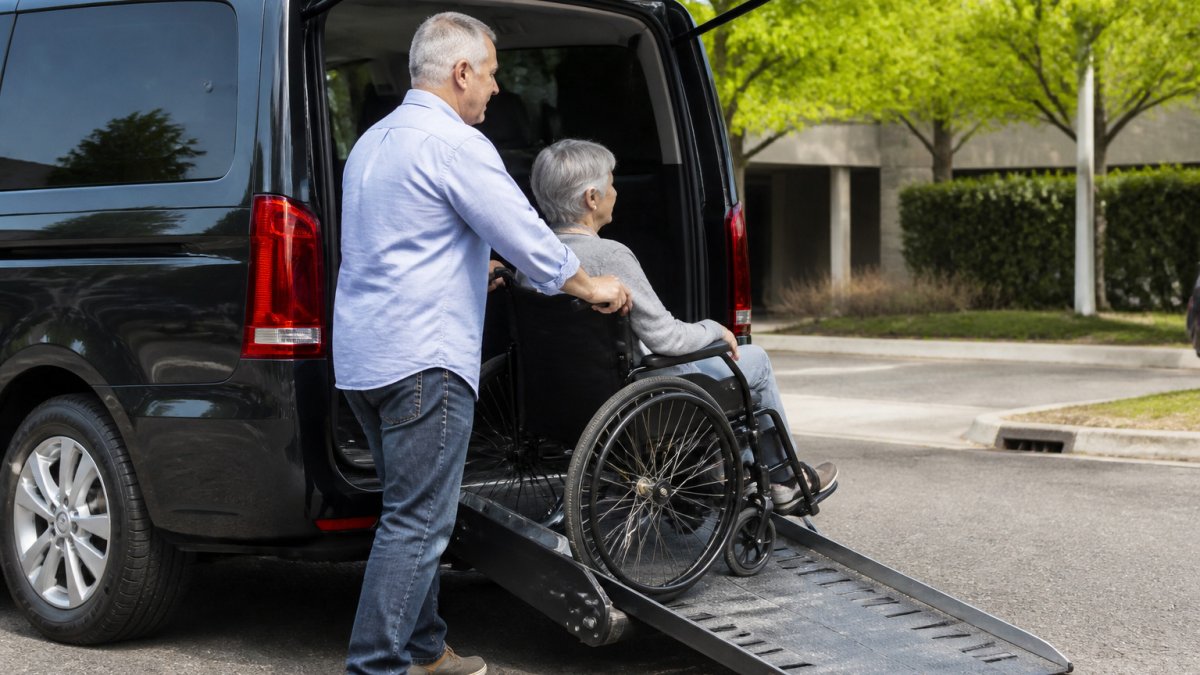
Mobility help: wheelchair securement, lifts, and safe transfers
Safety skills: defensive driving, emergency procedures, and evacuation
Medical basics: CPR and first aid certification
The Americans with Disabilities Act guidance on transportation sets the legal baseline for how accessible transport must work. Training turns those rules into daily habits.
NEMT Driver Training Requirements: What You Must Have Before You Apply
Most employers and state programs expect a few core qualifications before you start. The exact list varies by state and by who runs the service.
Here is the short answer: you need a clean driving record, a valid license, a passed background check, and CPR and first aid cards. Everything else depends on where you work.
Driver Eligibility and Minimum Qualifications
You must be at least 18 in most programs, though some providers set the bar at 21 for insurance reasons. You also need a valid driver's license and a clean driving record.
Other common requirements include:
A passed criminal background check
A drug screening
A clean motor vehicle record for the past three to five years
Proof of CPR and first aid certification
A common mistake is assuming a standard license is enough. Some vehicles, like certain wheelchair-accessible vans, may need a different endorsement depending on size and weight.
Licensing, Driving Record, and Background Checks
Your driving record is the first thing most employers check. Moving violations, DUIs, and at-fault accidents can disqualify you.
Background checks usually look at criminal history at the state and federal level. Many programs also run a check against the National Sex Offender Public Website because drivers work with vulnerable passengers.
Keep your documents current. A lapsed CPR card or an expired license will stall your application.
How to Become a NEMT Driver: Step-by-Step Certification Path
Becoming a certified medical transport driver follows a clear path from application to active credential. Most people finish in a few weeks, but the sequence matters because each step unlocks the next. You cannot test on wheelchair securement until you have finished the classroom portion, and you cannot start supervised rides until your background check clears.
Here is the sequence most programs use, with the practical detail that determines how fast you actually move through it:
Confirm you meet the age and license requirements. Most programs require you to be at least 18, and some providers set the bar at 21 for insurance reasons. You need a valid driver's license and a driving record your employer can insure.
Pass a background check and drug screening. Expect a criminal history check at the state and federal level, a motor vehicle record pull covering the past three to five years, and a drug screen. Many programs also run a check against the National Sex Offender Public Website because drivers work with vulnerable passengers.
Complete a certified medical transport driver training course. This is the core classroom and skills portion. Course length ranges from a few hours online to several days in person, depending on your state and employer.
Earn CPR and first aid certification. These are usually separate cards from the driver training certificate, and most employers require both before you touch a vehicle.
Pass a hands-on competency assessment. An instructor watches you secure a wheelchair, operate a lift or ramp, and perform a safe transfer. This is judged by doing, not by a written test.
Receive your certificate and complete employer onboarding. Your certificate proves you finished training. Onboarding is where you learn the specific vehicles, routes, and documentation your employer uses.
What to Have Ready Before You Enroll
Gathering documents early is the single biggest time-saver. Most programs ask for the same short list:
Government-issued photo ID and your driver's license
A current motor vehicle record, often pulled by the program itself
Proof of CPR and first aid certification, or enrollment in a class
Background check authorization and, in some cases, a physical or medical clearance
If any of these lapse, your application stalls. A lapsed CPR card or an expired license is the most common reason a start date gets pushed back.
How to Choose a Training Program
Not every certificate carries the same weight. Before you pay, ask the provider four questions:
Is the certificate accepted by employers in your area? A generic online certificate may not meet a state or employer requirement, and you will end up paying twice.
Does the course include hands-on securement practice? Classroom-only programs leave you unprepared for the competency assessment.
How long is the certificate valid, and what does renewal require? Most certificates stay valid for one to two years, and CPR and first aid cards typically expire every two years.
Is the assessment written, hands-on, or both? Most employers want to see a documented hands-on evaluation.
Pro Tip Ask the training provider whether their certificate is accepted by employers in your area. A generic online certificate may not meet a state or employer requirement, and you will end up paying twice.
Renewal and Continuing Education
Renewal keeps you working without a gap. Most drivers renew CPR and first aid every two years and repeat a refresher on securement and safety. Continuing education covers new equipment, updated safety protocols, and changes in state rules.
Some states require a specific training program. Others leave it to the employer. Check your state's rules before you pay for a course.
PASS Certified NEMT Driver Training and CPR/First Aid Certification
PASS certified NEMT driver training is a recognized program built around passenger safety and proper handling. It is one of several credentials employers look for, and it is often confused with CPR and first aid certification, which are separate cards with separate renewal cycles.
The PASS program focuses on the skills you use every shift: assisting passengers, securing equipment, and responding to emergencies. CPR and first aid certification usually runs alongside it, but the two are not interchangeable.
What the Two Certifications Actually Cover
CPR: how to respond when a passenger stops breathing or their heart stops. This includes chest compressions, rescue breathing, and, in many courses, AED use. CPR cards typically need renewal every two years.
First aid: how to handle falls, cuts, choking, and sudden illness. This covers bleeding control, bandaging, and recognizing when a situation needs emergency services rather than a ride to an appointment.
PASS driver training: the transport-specific skills, passenger assistance, wheelchair securement, lift and ramp operation, safe transfers, defensive driving, and emergency evacuation. This is the credential that tells an employer you can safely move a passenger, not just drive a route.
How to Verify a Program Is Legitimate
Because "certified" is not a protected term in every context, it pays to check before you enroll. A few practical steps:
Ask the provider for the full name of the certifying body and whether it is recognized by employers in your state.
Confirm the course includes a hands-on assessment, not just an online quiz.
Ask what documentation you receive, a certificate number, a wallet card, or a database entry an employer can verify.
Check whether your state requires a specific program. Some states mandate a particular curriculum; others leave it to the employer.
Watch Out Do not assume a certificate from one program transfers to another employer or state. Requirements vary, and a certificate that satisfies one provider may not satisfy the next. Verify before you pay.
How the Certifications Fit Together
Most employers want all three: a driver training certificate, a current CPR card, and a current first aid card. Some also require a defensive driving certificate or a passenger assistance endorsement.
Both CPR and first aid cards typically need renewal every two years. Put the dates in your phone so you do not miss them. A lapsed card can stall your application or pull you off the schedule until it is renewed.
Wheelchair Securement Training and Hands-On Competency
Wheelchair securement training teaches you to lock a mobility device in place so it cannot move during the ride.

You learn to use four-point tie-down straps, a lap and shoulder belt for the passenger, and wheelchair lifts or ramps.
Competency is judged by doing, not by a written test.
The thing nobody tells you about securement is how much it varies.
Course Duration, Delivery Format, Assessment, and Certificate Validity
Course length depends on the format and the state. Most programs run from a few hours to a few days.
Format | Typical Duration | Best For | Assessment |
In-person classroom | 1-3 days | First-time drivers | Written and hands-on |
Online plus skills lab | 4-8 hours online | Busy schedules | Hands-on only |
Employer onboarding | 1-2 weeks | New hires | Supervised rides |
Certificates usually stay valid for one to two years. CPR and first aid cards often expire every two years. Renewal keeps you working without a gap.
Driver Training vs. Provider Licensing: What Each One Means
Driver training and provider licensing are two different things, and mixing them up causes real confusion. Driver training certifies you as a person. Provider licensing certifies the company you work for.
Here is the split:
Driver training: your personal skills, CPR card, and clean record
Individual certification: proof you completed a recognized course
Provider licensing: the company's permit to operate from the state
A licensed provider still needs trained drivers. A trained driver cannot operate without a licensed company behind them.
Watch Out Do not assume your personal certificate lets you run your own transport business. Operating without a provider license can lead to fines and shut-downs. Check your state's licensing rules first.
Costs, Renewal, and Continuing Education for Certified Drivers
Costs vary widely by program, state, and whether your employer pays.
Expect to pay for a background check, drug screening, and course fees if you self-fund.
Renewal keeps your credentials active. Most drivers renew CPR and first aid every two years and repeat a refresher course on securement and safety.
Continuing education covers new equipment, updated safety protocols, and changes in state rules. Some employers run annual refresher training.
If you want to work with a provider that takes this seriously, that is where Transfer 4 U comes in. Our vans handle medical equipment, and we offer door-to-door service for appointments, hospital discharges, and errands. Contact us to learn more.
Frequently Asked Questions
How long does medical transport driver training take?
Initial training typically ranges from a few days to several weeks, depending on the program and state requirements. Some courses combine online classroom hours with hands-on vehicle practice. Refresher training is shorter. Because certification rules vary, check with your state Medicaid agency or a local training provider for exact timelines. Many employers also provide on-the-job orientation after you complete the core course.
What does PASS certification cover for NEMT drivers?
PASS (Passenger Assistance, Safety and Sensitivity) certification covers passenger assistance techniques, wheelchair securement, safe transfers, sensitivity, and communication skills. It is a nationally recognized program often required by NEMT providers. The course includes both classroom and practical components. Certification is valid for a set period, after which you must renew. PASS training is one way to meet the driver training requirements many states and contractors expect.
Do NEMT drivers need CPR or first aid training?
Yes, CPR and first aid certification is commonly required for medical transport drivers. It prepares you to respond to emergencies during transport. Many states and NEMT companies mandate current CPR certification from an approved provider. Training usually covers adult CPR, choking response, and basic first aid. Renewal is typically every two years. Check your state's specific rules and your employer's policy for exact requirements.
Is there a certification for non-emergency medical transportation drivers?
There is no single national certification for NEMT drivers, but many states require specific training and credentials. Common certifications include PASS, CPR/first aid, and defensive driving. Some states also require a commercial driver's license (CDL) with passenger endorsement for certain vehicles. Provider licensing is separate from individual driver certification. Always verify current requirements with your state Medicaid office or transportation authority.
Getting certified takes paperwork, a course, and a hands-on check, but the path is clear. If you would rather leave the driving to a trained team, Transfer 4 U is ready to help. We offer wheelchair-accessible transportation, assistance with medical equipment, and personalized service for riders of all ages. Get started with Transfer 4 U and travel to your next appointment with confidence.
Contact Us


Comments